

Mini Split Installation in Duarte, CA
A room addition that never became comfortable, a hot upstairs bedroom, a converted garage, or a detached workspace does not always need new ductwork. Connor Air Conditioning & Heating provides mini split installation in Duarte, CA, with systems designed around the space, the home, and the way your household wants to use each comfort zone.
Our family-owned company has served the San Gabriel Valley since 1976. NATE-certified technicians install single-zone and multi-zone ductless systems for Duarte homes, helping homeowners add targeted heating and cooling where a central system is impractical or cannot provide even comfort. For whole-home service beyond ductless equipment, Connor Air also provides complete heating and air conditioning services in Duarte.
Where a Mini Split Can Solve a Duarte Comfort Problem
Duarte includes older homes, foothill properties, townhomes, additions, and remodeled spaces with very different heating and cooling needs. A room near Fish Canyon or Duarte Mesa may receive strong afternoon sun, while a space near Huntington Drive may have an older layout that makes extending existing ducts difficult. Mini splits can address a defined comfort problem without automatically replacing the rest of the home’s HVAC system.
A ductless system may be a strong fit for:
- Room additions that were not connected to the original duct system
- Converted garages, workshops, studios, and home offices
- Detached guest rooms and accessory spaces
- Older homes without usable ductwork
- Bedrooms or living areas that remain warmer than the rest of the house
- Households that want independent temperature control in different zones
- Spaces where installing or extending ducts would take away valuable ceiling or storage space
- Homes replacing window units or portable air conditioners
A mini split is not automatically the best choice for every property. If the entire house already has serviceable ductwork and needs a complete equipment replacement, a central system may make more sense. Connor Air evaluates both the immediate comfort issue and the rest of the home before recommending a direction.
How Ductless Mini Splits Work
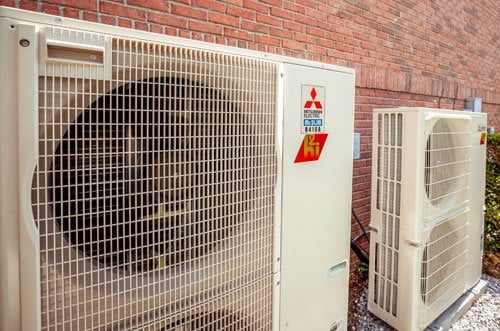
A mini split connects an outdoor compressor and condenser to one or more indoor air-handling units. A compact pathway between the components carries refrigerant tubing, electrical connections, and condensate drainage. Because conditioned air is delivered directly into the room or zone, the system does not rely on a network of supply and return ducts.
Many mini splits are heat pumps, which means the same equipment can cool during Duarte’s warm season and provide heating during cooler weather. Each indoor unit senses and manages conditions in its assigned zone, giving the household more control over rooms that have different schedules or comfort needs.
Homeowners considering ductless equipment throughout the San Gabriel Valley can review Connor Air’s broader ductless mini split installation services for additional system context.
Single-Zone and Multi-Zone Mini Split Design
Single-Zone Mini Splits
A single-zone system pairs one indoor unit with one outdoor unit. It is often the clearest solution for one problem area, such as a garage conversion, sunroom, detached office, primary bedroom, or addition. The system serves that space independently without changing the temperature setting for the rest of the home.
Multi-Zone Mini Splits
A multi-zone design connects several indoor units to compatible outdoor equipment. Each indoor unit serves a separate area, allowing different rooms to be controlled independently. This approach can work for homes without ducts, separate living areas, or several rooms with distinct comfort patterns.
More zones are not always better. Each zone adds equipment, drainage, refrigerant piping, electrical demand, controls, and installation complexity. A thoughtful design uses the number of indoor units needed to solve the comfort problem without creating unnecessary cost or oversized capacity.
Correct Mini Split Sizing Matters
Mini split capacity should not be selected from square footage alone. Room size is only one part of the cooling and heating load. Windows, ceiling height, insulation, air leakage, occupancy, appliance use, orientation, roof exposure, and Duarte’s summer conditions can all change what a space requires.
An oversized indoor unit may reach its temperature setting too quickly, cycle inefficiently, and provide less consistent comfort. An undersized unit may run continuously and still struggle during peak conditions. Multi-zone systems also require compatible indoor and outdoor capacities rather than a collection of independently selected units.
Connor Air evaluates the intended zones and the building conditions that influence them. The goal is not to install the largest available unit; it is to select equipment that can modulate effectively, maintain comfort, and operate within the manufacturer’s design requirements.
Indoor Unit Placement Affects Comfort
Even properly sized equipment can disappoint when the indoor unit is placed without considering airflow. The discharge path should reach the occupied part of the room without being blocked by tall furniture, walls, beams, or architectural features. Placement should also account for service access, condensate drainage, line-set routing, appearance, and how the room is used.
For example, mounting a unit where it blows directly across a bed or desk may create discomfort even when the room temperature is correct. Placing it too close to an obstruction may limit distribution. Connor Air reviews practical placement options before installation so equipment performance and the finished appearance are considered together.
Wall-mounted units are common, but compatible equipment may also include ceiling cassette, concealed, or floor-mounted configurations. Product availability and the building layout determine which options are practical.
What Professional Mini Split Installation Includes
A dependable installation starts before equipment is mounted. Connor Air plans the system around the home, confirms the intended zones, and discusses how indoor and outdoor components will fit the property.
- Comfort assessment: Identify the rooms that are uncomfortable, how they are used, and whether the issue is isolated or part of a broader HVAC problem.
- Load and equipment planning: Evaluate the factors affecting each zone and select compatible indoor and outdoor equipment.
- Placement review: Plan indoor units, the outdoor unit, refrigerant piping, condensate drainage, controls, and service access.
- Installation preparation: Confirm electrical requirements and account for applicable permit, manufacturer, and code requirements.
- Equipment installation: Mount the components, route and protect the connecting lines, complete drainage and electrical work, and prepare the refrigerant circuit according to manufacturer procedures.
- Startup and testing: Verify operation, controls, temperature response, drainage, and communication between system components.
- Homeowner orientation: Explain normal operation, mode settings, filter care, and recommended maintenance.
Good installation also considers the finished details. Refrigerant lines should be routed and protected thoughtfully, penetrations should be sealed, drainage should move water safely away, and the outdoor unit should have appropriate clearance and support.
Mini Split Installation Cost Factors
There is no useful one-price answer for every ductless project. A straightforward single-zone installation and a multi-zone system serving several floors involve different equipment, labor, electrical, drainage, and routing requirements. Connor Air evaluates the property before presenting recommendations.
Factors that can affect the project include:
- The number of indoor comfort zones
- The heating and cooling load of each space
- Indoor-unit style and equipment efficiency
- Distance between indoor and outdoor components
- Line-set and condensate-drain routing
- Electrical panel capacity and circuit requirements
- Wall, ceiling, attic, crawlspace, or exterior access
- Outdoor-unit mounting and clearance needs
- Permit and code requirements that apply to the project
- Removal of existing room equipment when included
A proposal should make the planned system understandable: which rooms it serves, how many zones it includes, where major components will be placed, and what installation work is covered.
Mini Split or Central Air Conditioning?
When a Mini Split May Be the Better Fit
Ductless equipment is especially useful when the goal is to condition one room, create independent zones, serve a detached space, or avoid installing ducts. It can also supplement an otherwise adequate central system when one area has a distinctly different load.
When Central Air May Be the Better Fit
Central air may be more appropriate when existing ductwork is in good condition and the goal is consistent whole-home cooling from one system. It also keeps most air-delivery equipment out of sight. Homeowners comparing a complete central replacement can explore air conditioning installation in Duarte.
When the Right Answer Requires a Closer Look
Some homes benefit from a combination: central equipment for the primary living area and a mini split for an addition, upstairs room, or detached office. The right choice depends on the home’s layout, duct condition, comfort goals, equipment condition, and how independently each space needs to operate.
Mitsubishi and Samsung Mini Split Options
Connor Air installs ductless products from established manufacturers, including Mitsubishi Electric and Samsung. Available indoor-unit styles, controls, zone combinations, capacity ranges, and efficiency ratings vary by product family. Equipment selection should follow the needs of the home rather than brand recognition alone.
Homeowners can explore Connor Air’s experience with Mitsubishi ductless mini splits and Samsung ductless mini splits. We can explain which compatible options fit the planned zones and installation conditions.
Maintaining a New Ductless System
Ductless systems still need routine care. Indoor filters should be checked and cleaned according to the manufacturer’s instructions, and the indoor and outdoor units need unobstructed airflow. Condensate drainage, coils, electrical components, refrigerant performance, and overall system operation should be evaluated periodically by a qualified technician.
Because indoor units serve specific rooms, homeowners often notice changes quickly. Reduced airflow, water near an indoor unit, unusual noise, new odor, or declining temperature control should be addressed rather than treated as normal operation.
Why Choose Connor Air for Mini Split Installation?
Connor Air Conditioning & Heating has served the San Gabriel Valley since 1976. We are licensed, bonded, and insured under California license #403735, with C-20 and C-38 classifications. Our NATE-certified technicians design installations around the actual home rather than forcing every property into the same equipment package.
- Family-owned HVAC company serving the area since 1976
- NATE-certified technicians
- Licensed, bonded, and insured
- Single-zone and multi-zone system design
- Mitsubishi Electric and Samsung installation experience
- Factory-backed warranties on qualifying new equipment
- Clear recommendations based on the home and comfort goals
Schedule a Mini Split Installation Estimate in Duarte, CA
If one room never feels right or your property needs heating and cooling without new ductwork, Connor Air can evaluate the space and explain the practical options. Call (626) 286-3157 or request a mini split installation estimate for your Duarte home.
Mini Split Installation FAQs
Can a mini split provide both heating and cooling?
Yes. Many ductless mini splits are heat pumps that cool during warm weather and reverse operation to provide heating during cooler conditions. The selected equipment and design should match the intended use of each zone.
How many rooms can one mini split system serve?
A single-zone system serves one area with one indoor unit. Compatible multi-zone systems can connect several indoor units to outdoor equipment, but the allowed combinations and total capacity depend on the manufacturer and model.
How is the correct mini split size determined?
Proper sizing considers more than square footage. Windows, insulation, ceiling height, air leakage, orientation, occupancy, roof exposure, and the room’s use can all affect its heating and cooling load.
Where should the indoor mini split unit be installed?
The unit should have an unobstructed air path, suitable condensate drainage, service access, and a practical route to the outdoor equipment. Placement should also avoid directing airflow where it would make occupants uncomfortable.
Can a mini split cool an entire Duarte home?
It can in some homes when a properly designed multi-zone or whole-home ductless system matches the layout and loads. Other properties are better served by central equipment or a combination of central and ductless systems.
Are mini splits useful for room additions and converted garages?
Yes. Mini splits are often a practical choice for additions, converted garages, studios, offices, and detached spaces where extending existing ductwork is difficult or undesirable.
Does a mini split require new ductwork?
No. The indoor and outdoor components connect through refrigerant tubing, electrical connections, and condensate drainage rather than a supply-and-return duct system.
Will I need an indoor unit in every room?
Not necessarily. The answer depends on the floor plan, room loads, door positions, comfort expectations, and how the spaces are used. Air does not always move effectively between closed rooms, so each proposed zone should be evaluated individually.
What affects mini split installation cost?
Major factors include the number of zones, equipment capacity and efficiency, indoor-unit style, line-set length, drainage, electrical requirements, mounting conditions, access, and applicable permits.
How long does mini split installation take?
Project length depends on the number of zones, equipment locations, routing, electrical work, access, and inspection requirements. A straightforward single-zone project and a multi-zone installation should not be expected to follow the same schedule.
Do mini splits need professional maintenance?
Yes. Homeowners should keep filters clean and avoid blocking airflow, while periodic professional service can evaluate coils, drainage, electrical components, refrigerant performance, and overall operation.
Should I choose a mini split or replace my central AC?
A mini split may be better for an isolated room, addition, detached space, or home without useful ducts. Central replacement may be more appropriate when good ductwork already serves the whole house. An evaluation can compare both options based on the property.
Request Estimate for
Mini Split Installation
EXCELLENT Based on 53 reviews
 Posted on Google
 Woogie W
Trustindex verifies that the original source of the review is Google.
Connor Air was the best AC company among all the different estimates we got. We chose them out of 5-6 estimates because Jared and his staff are just the nicest people to work with. Very helpful in designing a system that worked best for our home. Jared designed us a beautiful heat pump system. Thanks Connor Air.Posted on Google Kevin MWe have been using Connor Air Conditioning since they installed our new Lennox central A/C heating system in July 2020. No problems. Great people, always a great job! We use their Preventative Matenance program every year and have dependable service every time. Thank you, Connor AirPosted on Google
 Kevin CI recently had my complete heating and air conditioning system replaced by Connor. Jarred gave me a good estimate and explained everything that needed to be done. His crew showed up when he said they would, did a great job, and cleaned up at the end of each day. Our system works great and I would highly recommend them to anyone who asks.Posted on Google
 David VThey responded quickly to our request for a price. It was much less money than our other bids for the same equipment and labor. They got it all done in about a week and time on site was only part of one morning. We also now have them for the maintenance program.Posted on Google
 Victor HI called Connor Air & Heating after having a bad experience with Air-tro, who couldn't fix the problem. Eric from Connor came out and over the next three hours diagnosed the problem, replaced the central heating circuit board and thermostat, both of which he had in his truck. Got everything to work....then the fuse on the circuit board started to trip because of excess heat. Turns out he realized I had too many vents closed which caused the unit to turn off. Amazing. Now several days later the heater is working like a charm. I would wholeheartedly recommend Connor Air Conditioning & Heating.Posted on Google
 S TOur AC went out over the holiday weekend. Needed a couple of parts. Conner AC came through like a champ. And Acosta cannot be beat.