

Heat Pump Installation in San Marino, CA
Replacing an aging air conditioner or furnace is a chance to solve more than an equipment problem. A properly designed heat pump can provide both heating and cooling, but its performance depends on how well the equipment is matched to the home, ductwork, electrical system, and comfort goals.
Connor Air Conditioning & Heating installs ducted and ductless heat pump systems for San Marino homes. Our team evaluates the complete comfort system, explains the available options, and tests the finished installation so you know how the equipment should perform before the job is complete.
Call Connor AirIs a Heat Pump a Good Fit for a San Marino Home?
For many San Marino homes, yes. A heat pump moves heat instead of creating it through combustion, allowing one system to cool the home during hot weather and provide efficient heating during Southern California’s mild winter conditions.
The decision still needs to account for the property. Older homes may have duct leakage, limited return airflow, electrical constraints, additions served by undersized ducts, or rooms with very different sun exposure. Installing new equipment without addressing those conditions can leave the same hot and cold spots behind.
A heat pump may be worth considering when you want to:
- Replace both an aging air conditioner and furnace.
- Move toward electric heating and cooling.
- Improve temperature control with variable-speed equipment.
- Condition an addition, office, guest space, or room without practical duct access.
- Reduce dependence on separate heating and cooling systems.
If the home has broader airflow, ductwork, or indoor air quality concerns, Connor Air’s heating and air conditioning services in San Marino can address how those parts of the comfort system work together.
Should You Choose a Ducted or Ductless Heat Pump?
The right configuration depends on whether the home already has usable ductwork, how many rooms need conditioning, and whether different parts of the property need independent temperature control.
Ducted Heat Pumps
A ducted heat pump uses an outdoor unit and an indoor air handler to distribute conditioned air through supply and return ducts. It is often the most natural replacement for a central air conditioner and furnace when the existing duct system is correctly sized, reasonably tight, and capable of moving the required airflow.
Ducted systems can preserve a familiar central thermostat setup, but new equipment cannot compensate for crushed, disconnected, undersized, or poorly balanced ducts. The duct system should be evaluated before equipment capacity is selected.
Ductless Mini Split Heat Pumps
A ductless heat pump delivers heating and cooling directly to one or more indoor zones. It can work well for additions, detached rooms, home offices, converted spaces, or parts of a house that remain uncomfortable even when the central system is operating.
Homeowners considering zoned comfort without extending existing ducts can compare the design considerations for mini split installation in San Marino. A ductless system may serve one problem room or several zones, depending on the layout and load of each space.
Hybrid and Multi-System Designs
Some properties need more than one approach. A central heat pump may serve the main house while a ductless system conditions an addition or detached space. In other cases, the evaluation may show that retaining part of the existing system is more practical. The goal is not to force one equipment type into every room; it is to design a system that fits how the home is actually used.
Why Does Proper Heat Pump Sizing Matter?
A heat pump should be sized from the home’s heating and cooling loads, not simply from the capacity printed on the old equipment. Square footage matters, but so do insulation, window area, ceiling height, orientation, air leakage, occupancy, shade, additions, and duct conditions.
Connor Air can use a Manual J HVAC load calculation to estimate how much heating and cooling the home needs under design conditions. This helps narrow equipment choices and provides a stronger basis for airflow and duct planning.
What Happens When a Heat Pump Is Oversized?
An oversized system may reach the thermostat setting quickly and shut off before air has mixed evenly through the home. Frequent cycling can create temperature swings, add wear, and make it harder for some rooms to stay comfortable. Variable-capacity equipment can adjust its output, but it still needs to be selected within an appropriate range.
What Happens When a Heat Pump Is Undersized?
An undersized system may run for long periods and still struggle during the hottest afternoons. Long run times are not automatically a problem for modern variable-speed heat pumps, but the system should be capable of meeting the calculated load. Sizing should be based on the home rather than assumptions about how long equipment ought to run.
What Should Be Checked Before Equipment Is Selected?
The outdoor unit is only one part of a successful installation. A complete evaluation should identify anything that could restrict performance, create noise, or add unexpected work after the project begins.
- Ductwork and static pressure: Supply and return ducts must move enough air without placing excessive resistance on the blower.
- Electrical capacity: The existing panel, disconnect, circuit, conductor size, and overcurrent protection must match the selected equipment and applicable requirements.
- Outdoor-unit placement: The unit needs service clearance, stable support, suitable drainage, and a location that considers sound and neighboring properties.
- Indoor-unit location: The air handler or ductless heads must be accessible for service and positioned for effective airflow.
- Refrigerant-line routing: Line length, elevation changes, protection, and manufacturer limits can affect the installation plan.
- Condensate drainage: Cooling operation removes moisture, so the drain path and overflow protection need to be planned correctly.
- Thermostats and zoning: Controls must be compatible with the equipment and configured for the way each area is used.
How Do San Marino Homes Affect Heat Pump Design?
San Marino includes both larger estate properties and smaller single-story homes built during different periods. Homes in areas such as San Marino Oaks and San Marino Highlands can differ substantially in floor plan, insulation, attic access, additions, and duct layout from larger properties closer to the city’s historic core.
Those differences matter. A long or divided floor plan may need zoning or duct balancing. An older attic duct system may lose conditioned air before it reaches distant rooms. Remodels can change the original load without corresponding duct upgrades, while mature landscaping may limit outdoor-unit locations or affect service access.
Outdoor placement also deserves careful planning. Equipment should not be selected solely by its efficiency rating; sound data, clearance requirements, airflow around the coil, condensate management, and the relationship to nearby living areas all affect the final location. Local permit and code requirements should be confirmed for the specific scope before work begins.
What Happens During Heat Pump Installation?
- Home and system evaluation: The team reviews comfort concerns, existing equipment, ducts, controls, electrical capacity, and possible equipment locations.
- Load and equipment planning: Heating and cooling needs are calculated, then equipment capacity, efficiency, staging, and configuration are compared.
- Written scope: The proposed work identifies the selected equipment and any necessary duct, electrical, drainage, control, or placement changes.
- Removal and preparation: Existing equipment is removed when applicable, and the installation area is prepared for the new system.
- Equipment installation: The outdoor unit, indoor equipment, refrigerant lines, drains, electrical components, thermostat, and related materials are installed according to the approved design and manufacturer requirements.
- Startup and commissioning: The system is evacuated, started, configured, and tested. Airflow, controls, temperature change, drainage, electrical operation, and refrigerant performance are checked as applicable.
- Homeowner orientation: Before completion, the team explains thermostat operation, filter care, operating characteristics, and maintenance expectations.
Commissioning is what turns installed equipment into a working comfort system. Without final testing, a system can operate while still having an airflow, control, drainage, or refrigerant issue that reduces performance.
What Affects the Cost of Heat Pump Installation?
Heat pump installation cost depends on the equipment and the work required to make the system function correctly in the home. A straightforward replacement using suitable ducts and electrical service is different from a project involving zoning, new circuits, duct redesign, difficult access, or multiple indoor units.
Important cost factors include:
- System capacity, efficiency rating, and variable-speed features.
- Ducted, single-zone ductless, or multi-zone configuration.
- Condition and accessibility of existing ductwork.
- Electrical-panel, circuit, disconnect, or wiring changes.
- Refrigerant-line length and routing.
- Condensate-drain and overflow-protection requirements.
- Thermostat, zoning, and control upgrades.
- Equipment removal, access, permits, and required verification.
A useful estimate should explain the system design and scope rather than presenting equipment capacity as the only decision. Project recommendations should be evaluated on fit, installation requirements, expected operation, and the home’s long-term needs.
Should You Repair the Existing System or Install a New Heat Pump?
Replacement is not automatically the right answer when an HVAC system has a problem. A repair may make sense when the equipment is otherwise in sound condition, the failure is isolated, and the system still meets the home’s needs.
Installation becomes more reasonable when major components are failing, repairs are recurring, the existing system no longer maintains even temperatures, or both the air conditioner and furnace are approaching replacement. Homeowners who are unsure can begin with heat pump diagnostics and repair in San Marino before committing to new equipment.
The condition of the ducts and electrical system should be included in that decision. Replacing equipment alone will not correct major air leakage, insufficient return air, or circuits that do not match the new system.
How Should a New Heat Pump Be Maintained?
Because a heat pump works during both cooling and heating seasons, filters, coils, drains, controls, electrical components, airflow, and the outdoor unit all need regular attention. Homeowners can keep the area around the outdoor unit clear and replace or clean accessible filters according to the equipment and household conditions.
Professional heat pump maintenance in San Marino can identify developing airflow, drainage, electrical, or performance concerns before they interfere with comfort. Maintenance frequency should reflect equipment use, manufacturer guidance, filter loading, and the needs of the home.
Why Choose Connor Air for Heat Pump Installation?
Connor Air Conditioning & Heating has served the San Gabriel Valley since 1976. The company is family owned, fully licensed, bonded, and insured under California Contractor License #403735, with C-20 HVAC and C-38 refrigeration classifications.
NATE Certified technicians, Manual J load-calculation capability, custom system design, duct-leakage testing, and custom sheet-metal experience allow the team to look beyond the equipment cabinet. Connor Air installs Lennox, Mitsubishi Electric, and Samsung systems and explains how the available equipment fits the home’s design and performance needs.
New installations include factory-backed equipment warranty coverage under the applicable manufacturer’s terms. The specific coverage, registration requirements, exclusions, and maintenance responsibilities should be reviewed for the equipment selected.
Plan Your Heat Pump Installation in San Marino
A successful heat pump project begins with the home, not a model number. Connor Air can evaluate the existing system, calculate the load, review ducted and ductless options, and prepare an installation scope built around the property’s actual requirements.
Call Connor Air at (626) 286-3157 or request an estimate to discuss heat pump installation in San Marino, CA.
Request a Heat Pump EstimateFrequently Asked Questions
Can a heat pump replace both my air conditioner and furnace?
Yes. A heat pump can provide cooling and heating from one system. Whether it should replace both units depends on the home’s load, ductwork, electrical capacity, equipment configuration, and the condition of the existing heating and cooling equipment.
Do heat pumps work during San Marino winters?
Yes. Modern heat pumps can provide effective heating during San Marino’s generally mild winter conditions. Proper sizing and controls remain important because heating output, airflow, and efficiency vary by equipment and outdoor temperature.
Is a ducted or ductless heat pump better?
A ducted system often makes sense when the home has suitable central ductwork. A ductless system can be better for additions, detached spaces, individual problem rooms, or homes where installing or extending ducts would be impractical. Some properties benefit from both.
Why is a Manual J load calculation important?
A Manual J calculation estimates the home’s heating and cooling loads using factors such as size, insulation, windows, orientation, air leakage, and local design conditions. It provides a better basis for equipment sizing than simply matching the old system.
Will my existing ductwork work with a new heat pump?
It may, but it should be inspected. Duct size, leakage, insulation, return-air capacity, static pressure, and room-by-room distribution can affect comfort and system performance. Repairs or modifications may be appropriate before the new equipment is commissioned.
Could heat pump installation require electrical work?
Yes. The selected equipment must match the available panel capacity, circuit, disconnect, wiring, and overcurrent protection. An evaluation can determine whether the existing electrical system is suitable or whether changes should be included in the project scope.
Where should the outdoor heat pump be installed?
The location should provide manufacturer-required clearance, stable support, service access, drainage, and unrestricted airflow. Sound, nearby windows, property layout, landscaping, and applicable local requirements should also be considered.
How long does heat pump installation take?
The schedule depends on whether the project is a direct replacement or requires ductwork, electrical changes, multiple indoor zones, permits, or difficult access. Connor Air can provide a project-specific schedule after evaluating the home and defining the scope.
Does a heat pump need a permit in San Marino?
Mechanical, electrical, duct, and related permit requirements depend on the project scope and current local rules. The applicable requirements should be confirmed for the selected system and planned work before installation begins.
Are variable-speed heat pumps worth considering?
Variable-speed equipment can adjust output as the home’s load changes, which may support steadier temperatures, quieter operation, and longer operating cycles. The added equipment cost should be weighed against the home’s comfort needs, system design, and expected use.
Will a new heat pump fix uneven temperatures?
Not by itself in every home. Uneven temperatures can be caused by duct leakage, poor balancing, inadequate return air, insulation differences, sun exposure, additions, or zoning needs. Those conditions should be identified and addressed as part of the system design.
How often should a heat pump receive maintenance?
Maintenance timing depends on equipment use, manufacturer guidance, filter loading, and household conditions. Because a heat pump operates in both heating and cooling modes, it should be inspected regularly and kept clean through both high-use seasons.
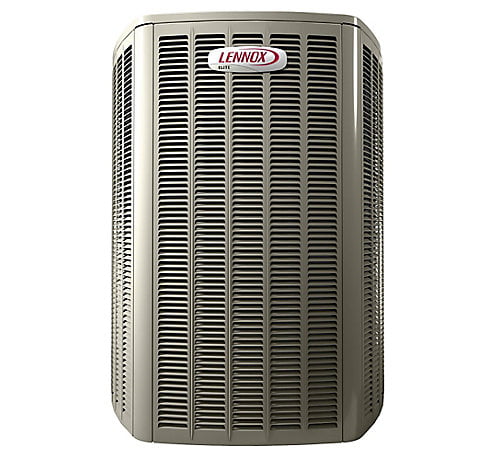
Lennox Heat Pumps
Get an Estimate
For heat pump installation
EXCELLENT Based on 53 reviews
 Posted on Google
 Woogie W
Trustindex verifies that the original source of the review is Google.
Connor Air was the best AC company among all the different estimates we got. We chose them out of 5-6 estimates because Jared and his staff are just the nicest people to work with. Very helpful in designing a system that worked best for our home. Jared designed us a beautiful heat pump system. Thanks Connor Air.Posted on Google Kevin MWe have been using Connor Air Conditioning since they installed our new Lennox central A/C heating system in July 2020. No problems. Great people, always a great job! We use their Preventative Matenance program every year and have dependable service every time. Thank you, Connor AirPosted on Google
 Kevin CI recently had my complete heating and air conditioning system replaced by Connor. Jarred gave me a good estimate and explained everything that needed to be done. His crew showed up when he said they would, did a great job, and cleaned up at the end of each day. Our system works great and I would highly recommend them to anyone who asks.Posted on Google
 David VThey responded quickly to our request for a price. It was much less money than our other bids for the same equipment and labor. They got it all done in about a week and time on site was only part of one morning. We also now have them for the maintenance program.Posted on Google
 Victor HI called Connor Air & Heating after having a bad experience with Air-tro, who couldn't fix the problem. Eric from Connor came out and over the next three hours diagnosed the problem, replaced the central heating circuit board and thermostat, both of which he had in his truck. Got everything to work....then the fuse on the circuit board started to trip because of excess heat. Turns out he realized I had too many vents closed which caused the unit to turn off. Amazing. Now several days later the heater is working like a charm. I would wholeheartedly recommend Connor Air Conditioning & Heating.Posted on Google
 S TOur AC went out over the holiday weekend. Needed a couple of parts. Conner AC came through like a champ. And Acosta cannot be beat.